Tuesday, September 3, 2019

Grew the iceberg too...

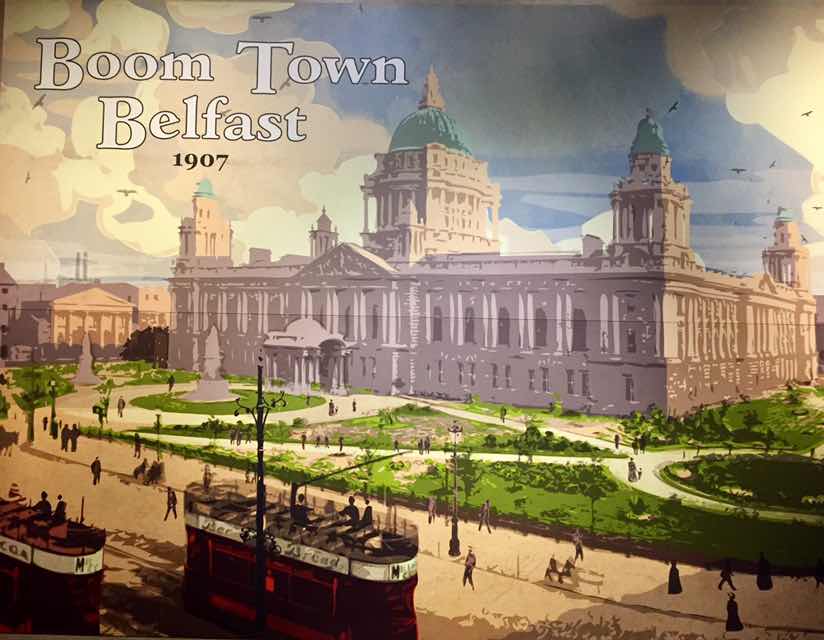
Another early morning to get up and be ready for a full day on a private excursion in Belfast, Ireland.  Our excursion was titled “Giants Causeway and Titanic Visitor Center”. We loaded on to a large comfortable bus which carried about 30 of us.  McCombs Bus Tours were waiting for us at 8 am.  We had a great driver who explained how our day would go.  First we would have time to experience the Titanic Visitor Center for several hours.  There was so much information in the museum that a few hours really didn’t do it justice.  They had it well laid out making for an easy flow.  They devoted a lot of space to explain the building of the ship and the stocking of the ship including linens, foods, beds, furniture and the dry dock area that was in charge of the beginning to end process of getting her ready.  It was such an emotional experience but also one of the best museums I have ever experienced. I won’t be able to share most of the photos and information that I took in but will say that if you come to Belfast this should be on your bucket list!  At the time the Titanic was built Belfast was a booming city. There were several interactive exhibits which allowed you to get a real feel for the physical energy and manpower that went into getting the Titanic built.  You could explore the ship from the boiler room to the staircase and go on up to the bridge through 3D photography...it allowed you to discover the cabin layouts, hear the music of the Wallace Hartly Band, view an actual ticket for the sailing, met some of the ships characters and see what life was like onboard.  Then to the sinking on April 14th , 1912 at 11:40 pm “grew the iceberg too” a quote from Thomas Hardy from “Lines on the loss of Titanic” noting that as the “smart ship grew in stature, grace and hue in the shadowy silent distance grew the iceberg too” .  The aftermath which showed a replica of the lifeboats, noted the testimonies of witnesses on the actual sinking of the vessel and see the investigative inquiry by the British into the tragedy.  

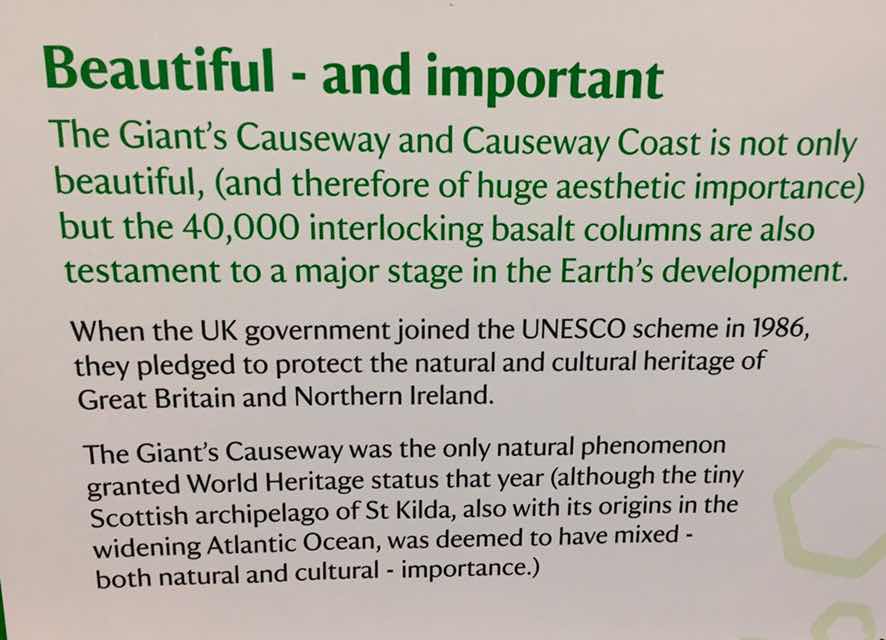
Next was on to the Giants Causeway which was a bit of a drive.  Basically it is a UNESCO World Heritage Site also.  On our way there we stopped by a small town for a bathroom break.  We passed a place called Ballycastle. There was a very nice golf course there. He told us that the golf course had a rigid requirement when you golfed there. Ballycastle requires all golfers to wear two pair of socks when they play the course... the reason being “in case you get a hole in one”!!!

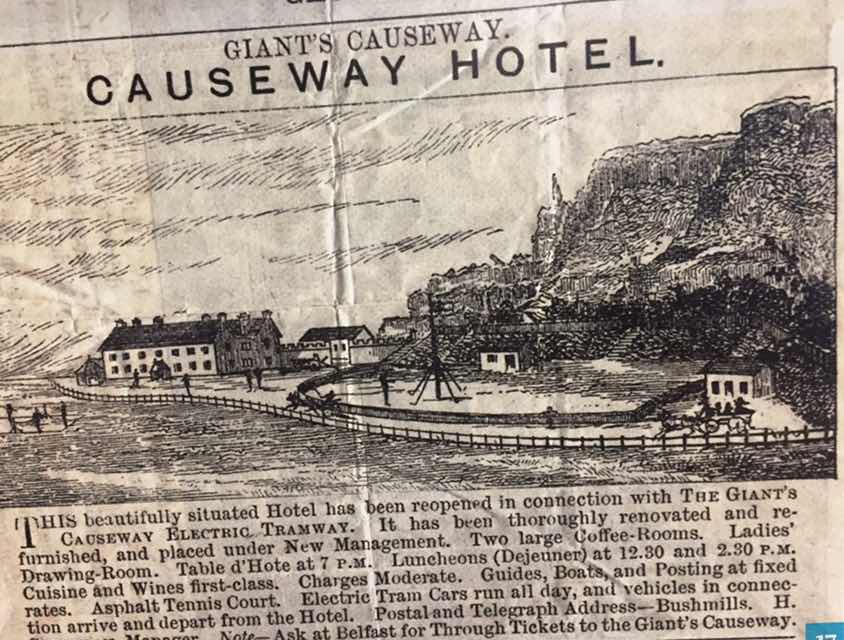
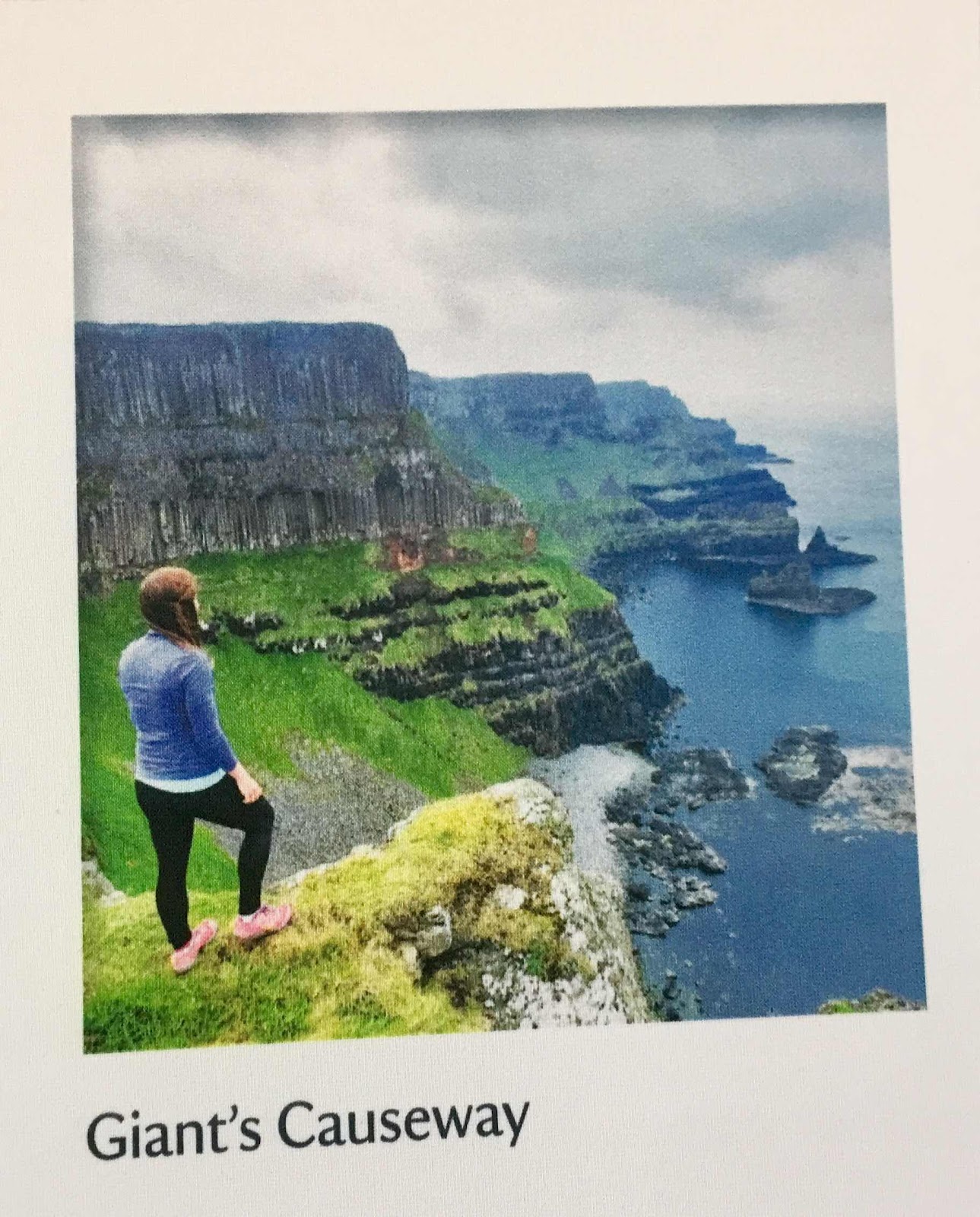
The driver dropped us off at the visitor center where most of us took the 20 minute downhill walk to the area of the Causeway which is a product of volcanic uplifting where when the lava cooled it formed unusual columns with six to eight sides rising 30-40 ft along the shoreline of Northern Ireland.  The disappointing part for us was that the columns and pillars were covered with people!  Instead of preserving the unique aspect of these formations they allowed visitors to climb them and have picnics!   You could pay a few Euros and take a trolley down and back up but we opted for the walk.   We spent a little time in the gift shop and interpretive center and then back on the bus we went.  

Belfast has a rich and at the same time sad heritage.  It is the largest city in Northern Ireland.  The area it covers had been occupied since the Bronze Age and the remains of ancient diets such as the 5,000 year old he he Giants Ring can be found nearby. By the 17th century it became a thriving city. Today it serves as an industrial center and hub for the arts and higher education. It is etched in history as the “ birthplace “ of the ill fated Titanic.  You can visit the shipyards of Harland and Eilff where it was designed and built. 

Their music scene is year round here with nearly every pub hosting live entertainment and amazing new bands. Belfast also dress visitors to see Albert Clock which was called Ireland’s Leaning Tower of Pisa until recently. 

A Typical summer day in Belfast would be around 67 degrees. They boast a population of 550,000 people.  The Viking settlements were here before the English Crown took over from 1400-1800.  The Plague hit in 1650 taking half of Ireland’s population.   

1759 Guiness stout was brewed and today still holds a prominent place in every pub.  Belfast is part of the United Kingdom.  Arts, business, law and  ship building still are important industries for this city. There have been i ntense political experiences through hundreds of years here which are referred to as The conflict  or “the troubles”.  

Fights between Catholic and Protestants were a violent campaign for hundreds of years and both sides of Ireland  now want and work toward Peace. Peacewalls were built in 1968 and were to be temporary but still exist and have been expanded.  You can move freely between the north and south with no “hard border” .   The plan for the peace wall is that they want to remove the wall by 2023.  They have had peace now for 20 years and most want to see it continue with no more bloodshed.  

Last year 117 cruise ships stopped here in Belfast.  Titanic meant “gigantic “.  Interesting that basically we have two Giants here, in the ship and the Causeway.  

We were all aboard at 4:30 amidst a cool and cloudy day.  We enjoyed a hot meal with friends in the Lido and by 7:30 we were back in our cabin and ready to call it a night. Our next day was a sea day with temperatures around 60 degrees and cloudy.  We set our clocks back an hour which the staff love!  


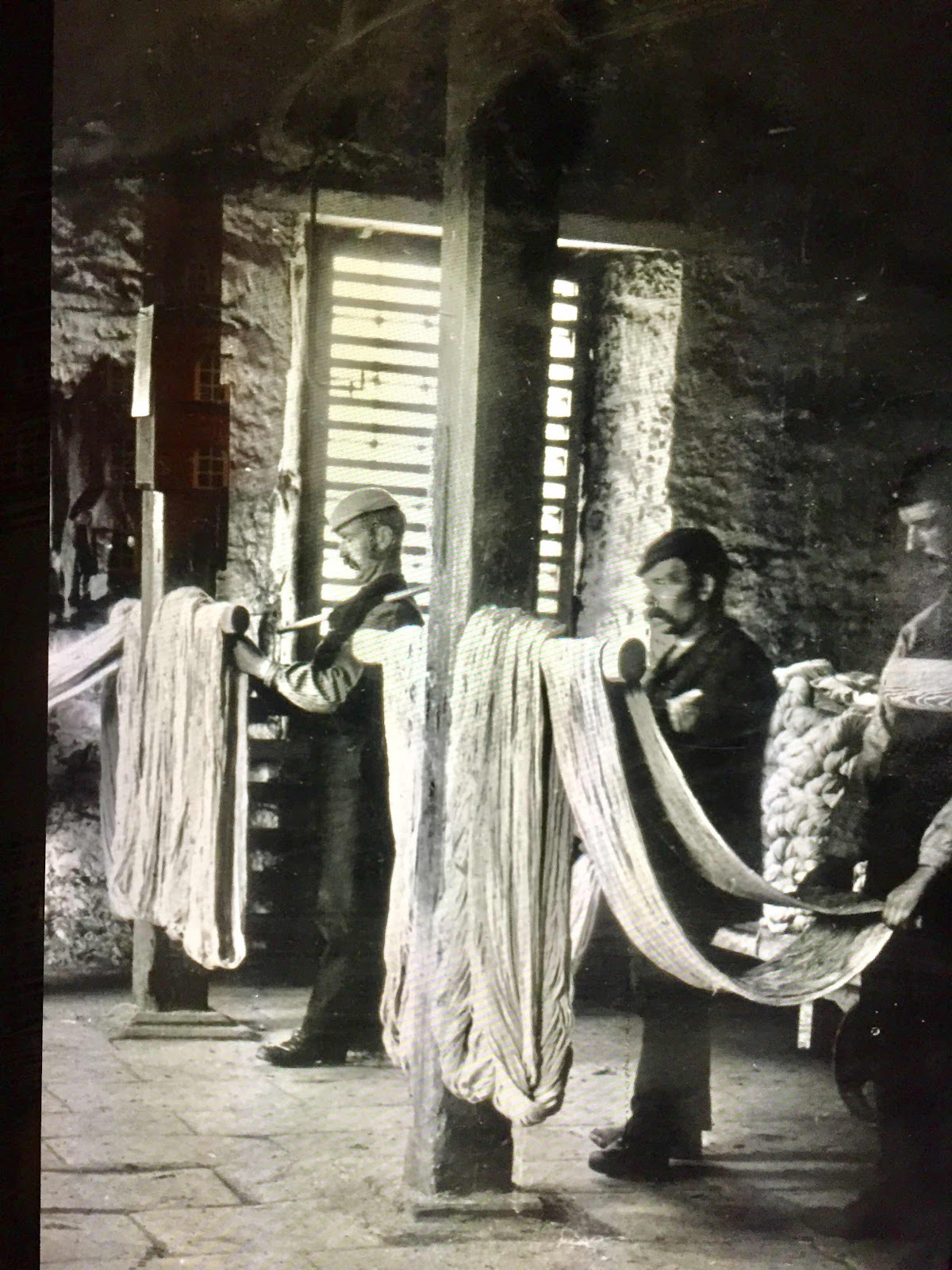
Rope was manufactured from flax seed of which the ship needed thousands of feet of rope .


That good ole Irish Whiskey! 
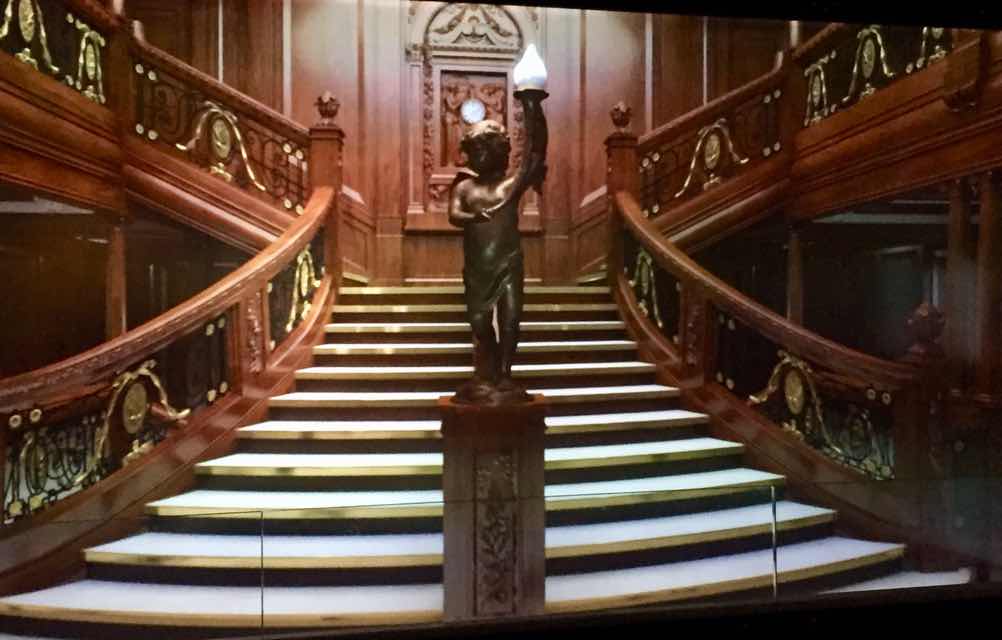


The Grand Staircase of the Titanic .
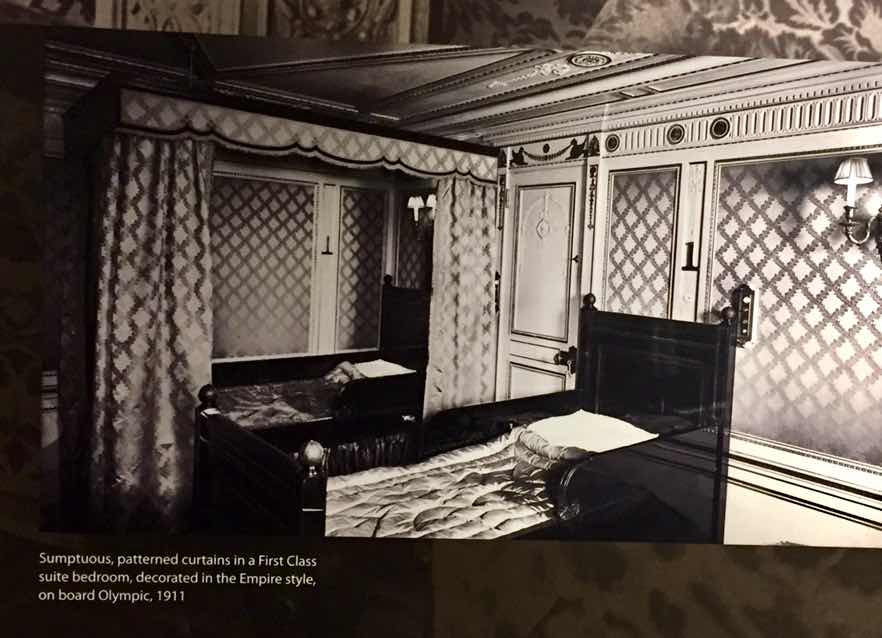


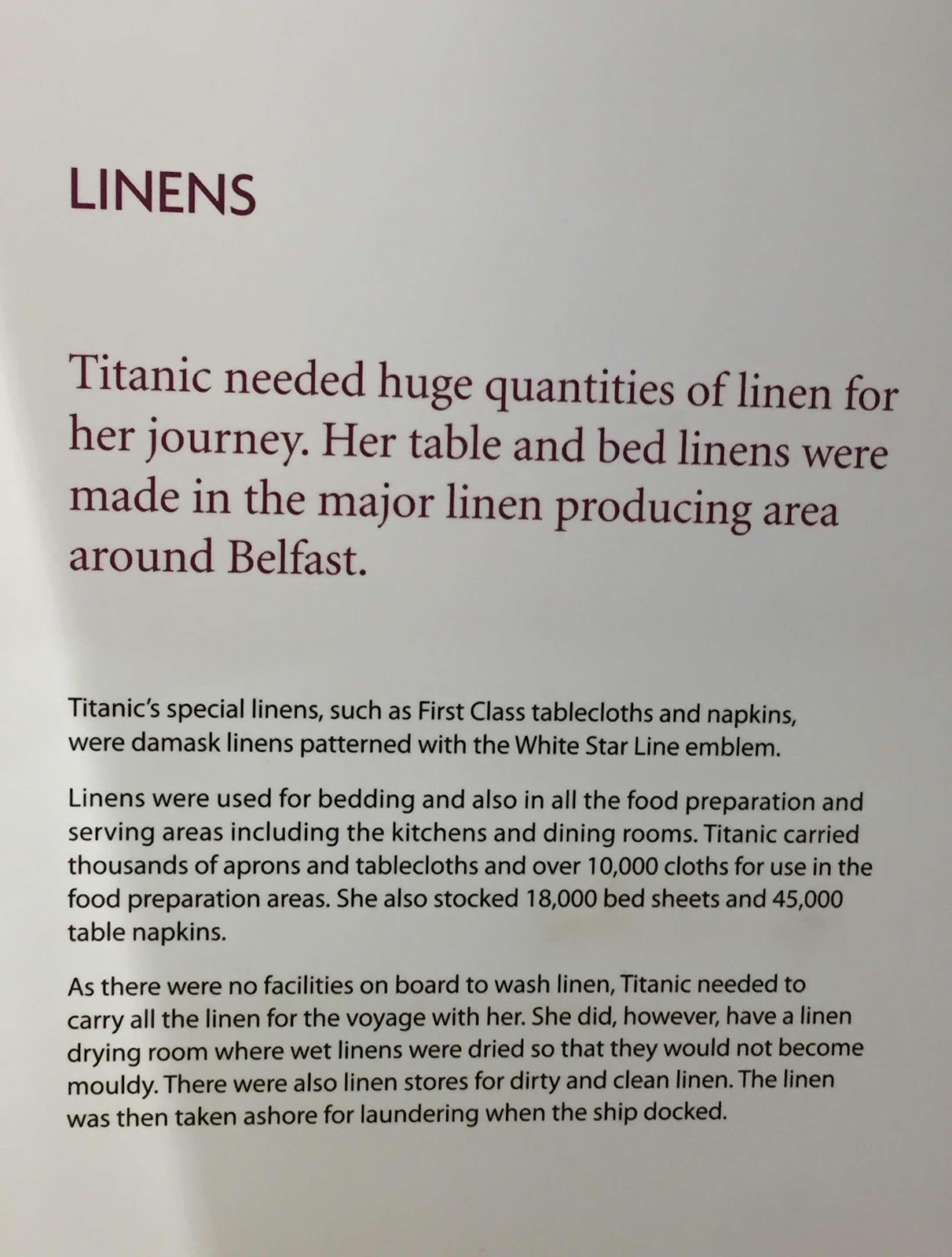
A photo of one of the staterooms on the Titanic.  Beautiful cabinetry and fine linens all manufactured in Ireland .
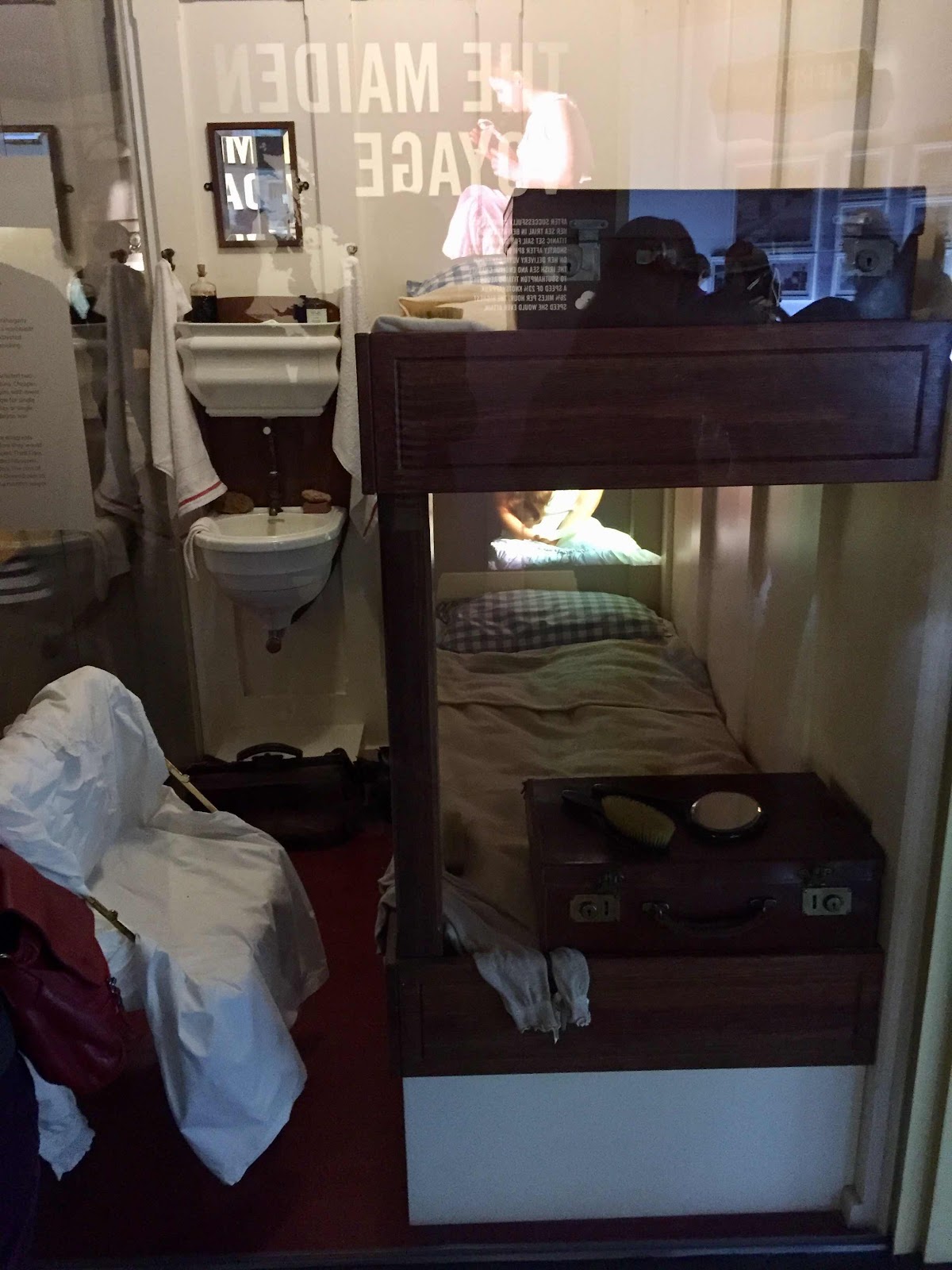


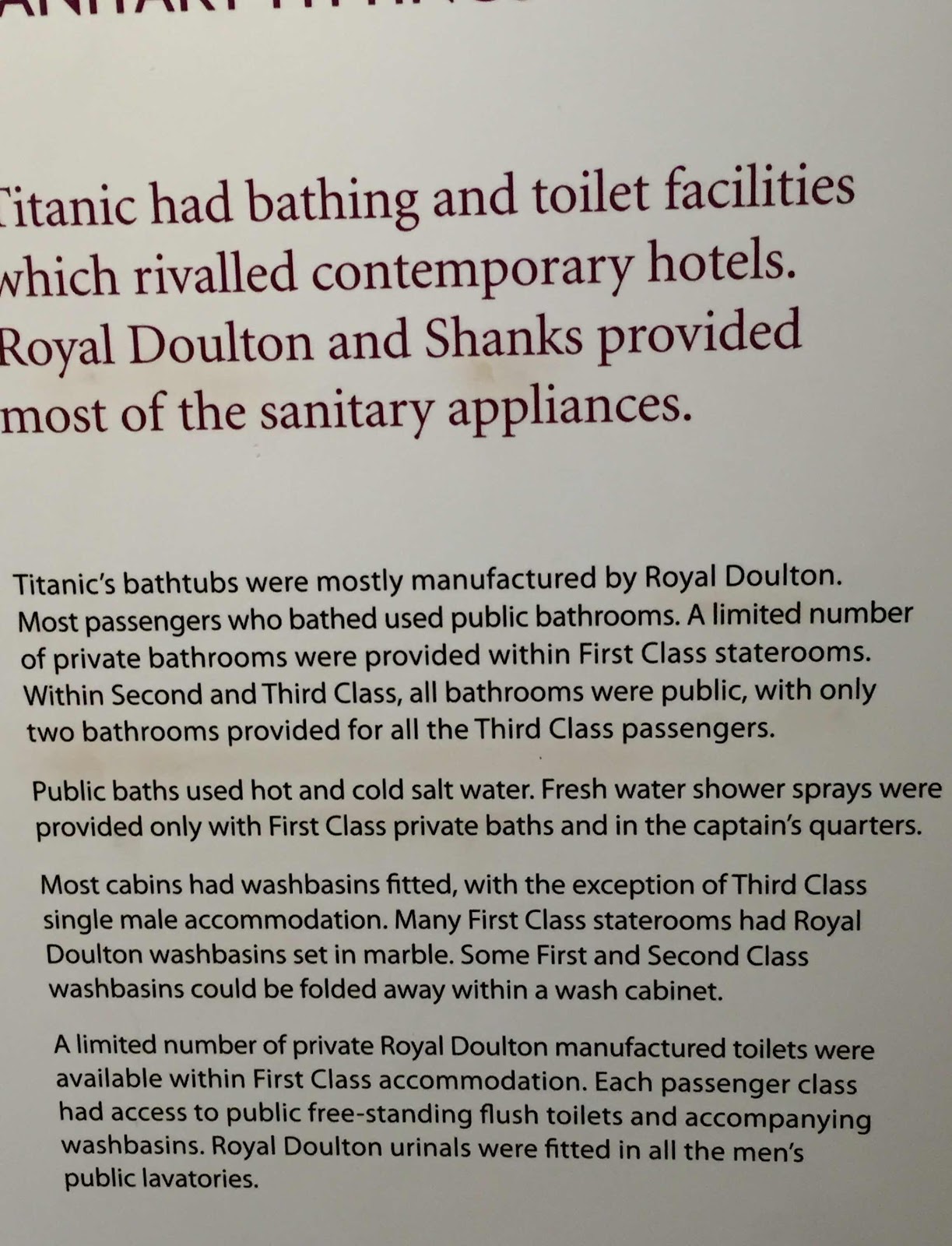
Another stateroom with bunks ... note the porcelain sinks...
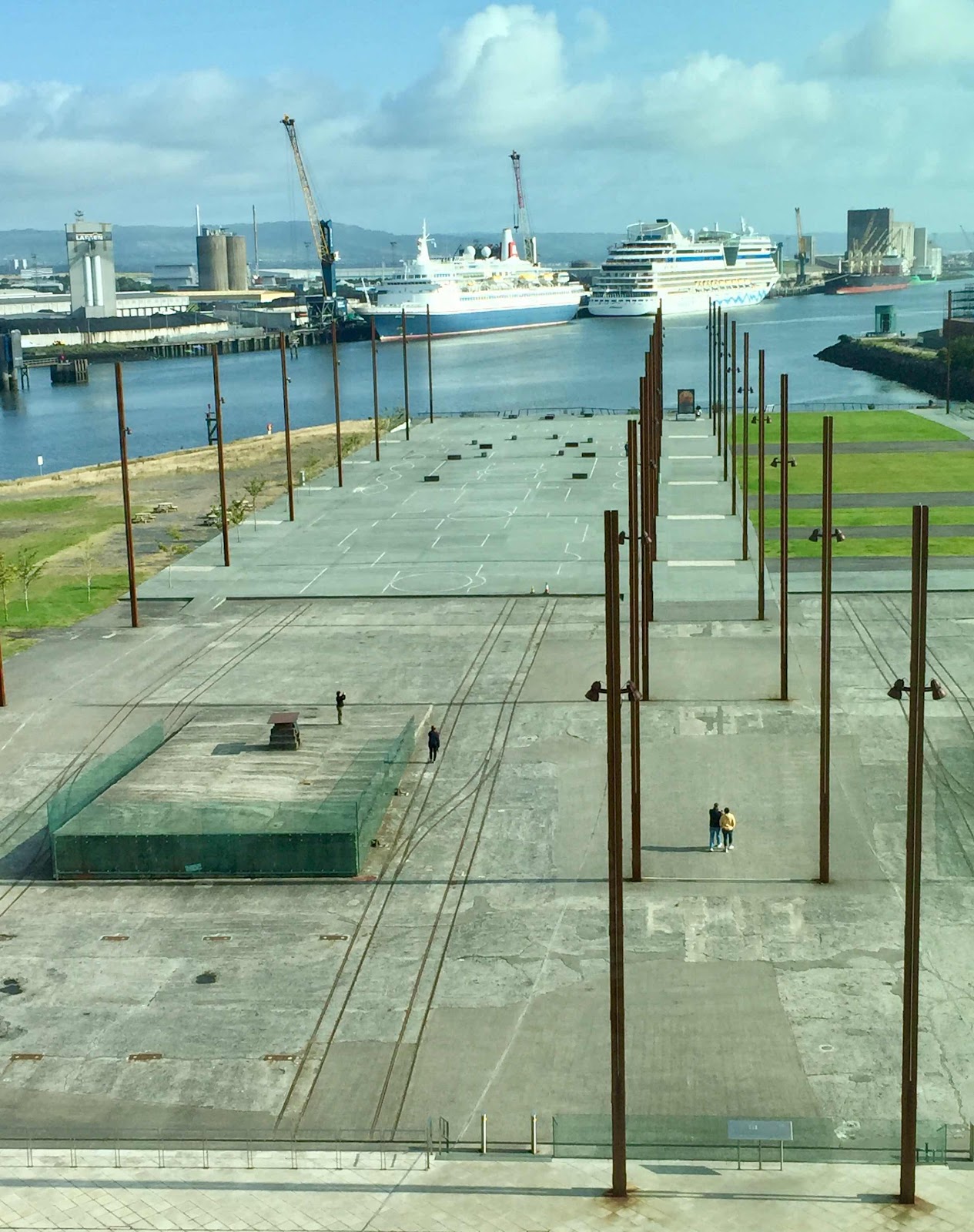

The actual berth where the the Titanic was built.
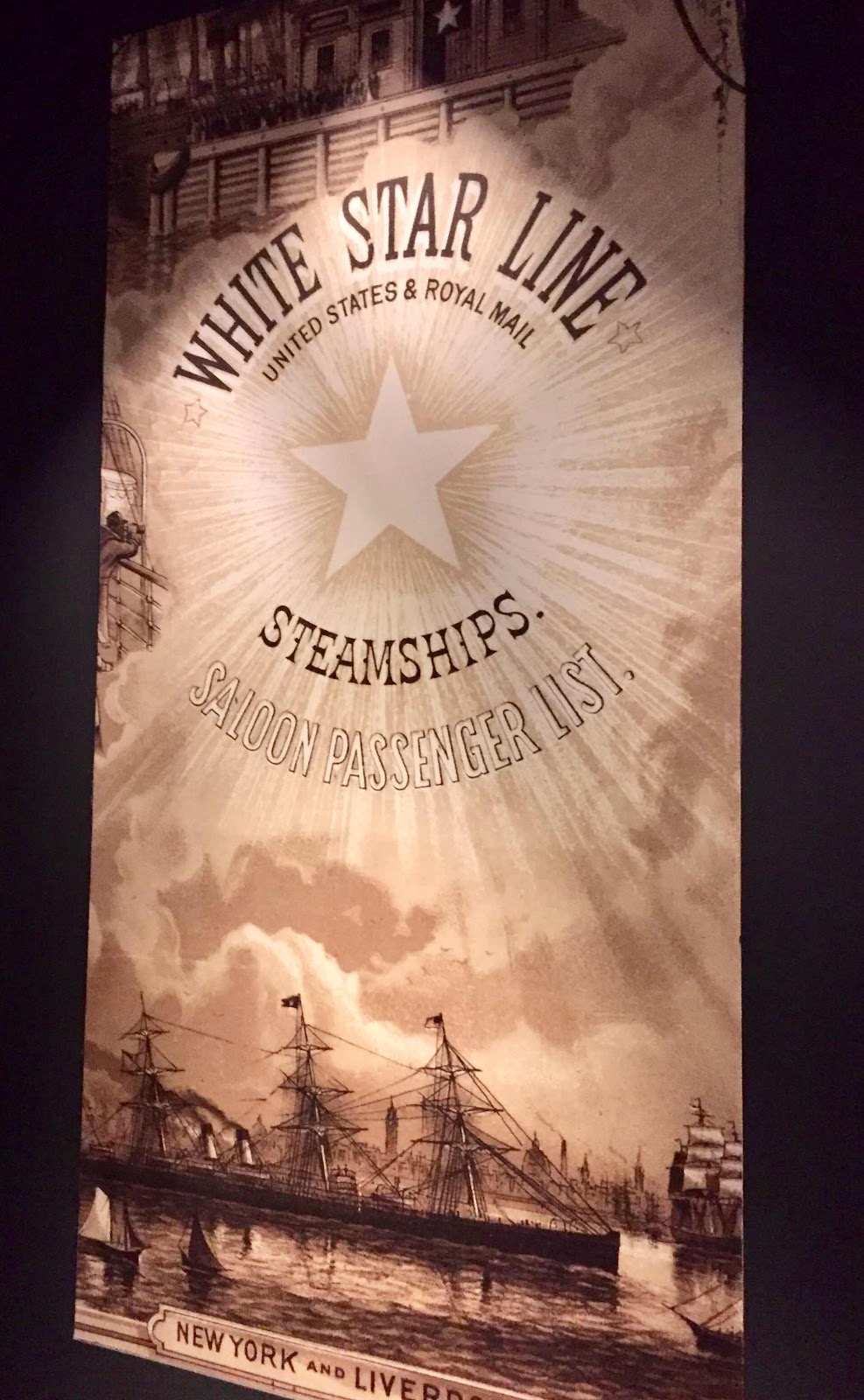


White Star Line passenger list...


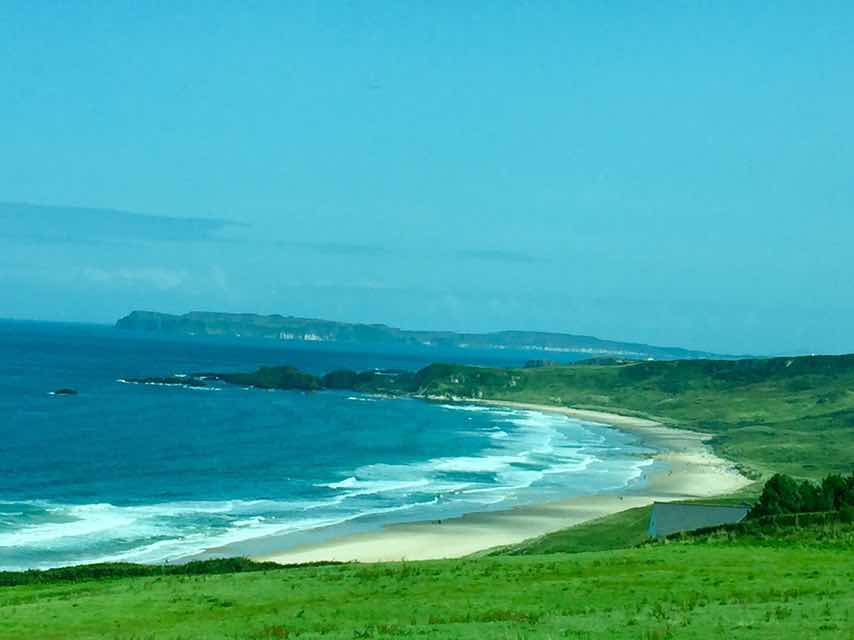
Traveling along the coastal route in our way to the Giants Causeway....
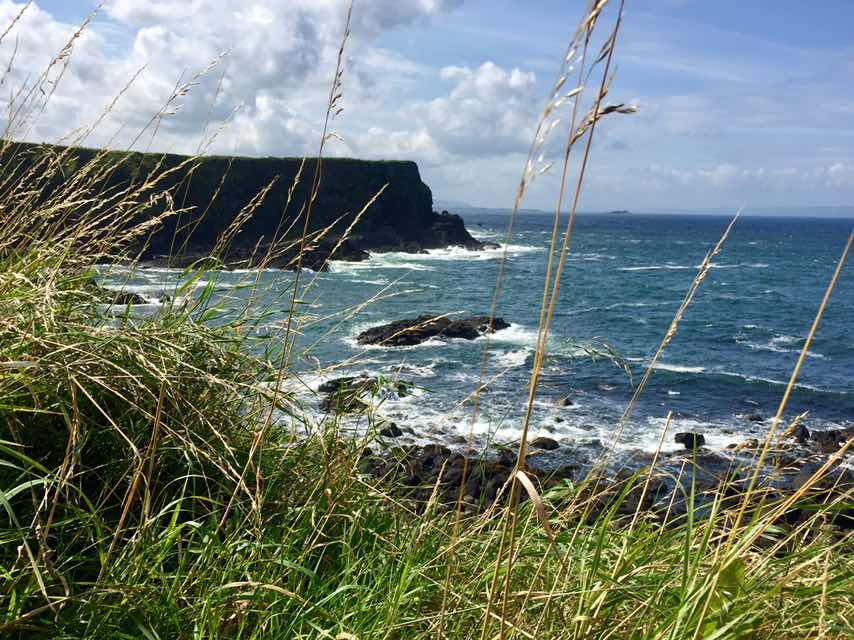


Rugged coastlines 
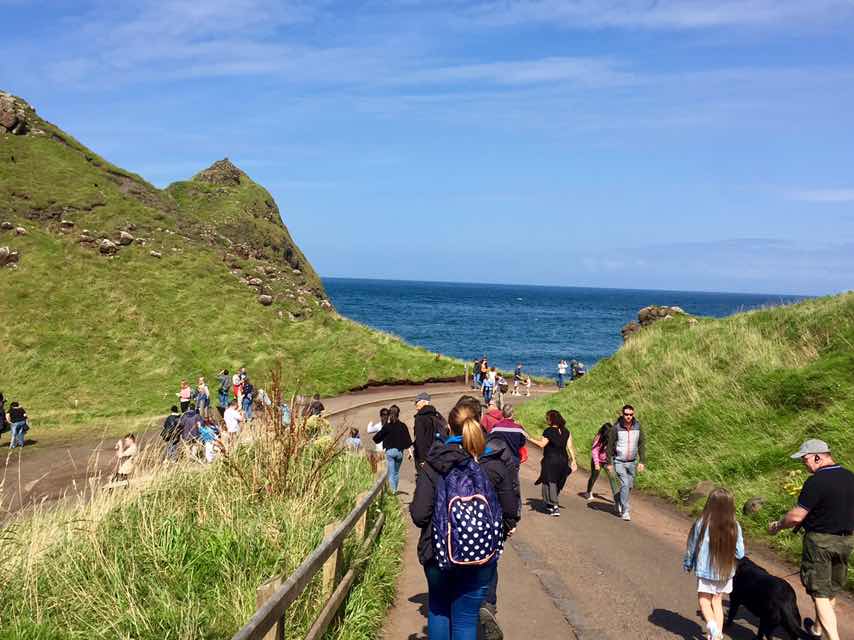


Walking down to the Causeway.. 
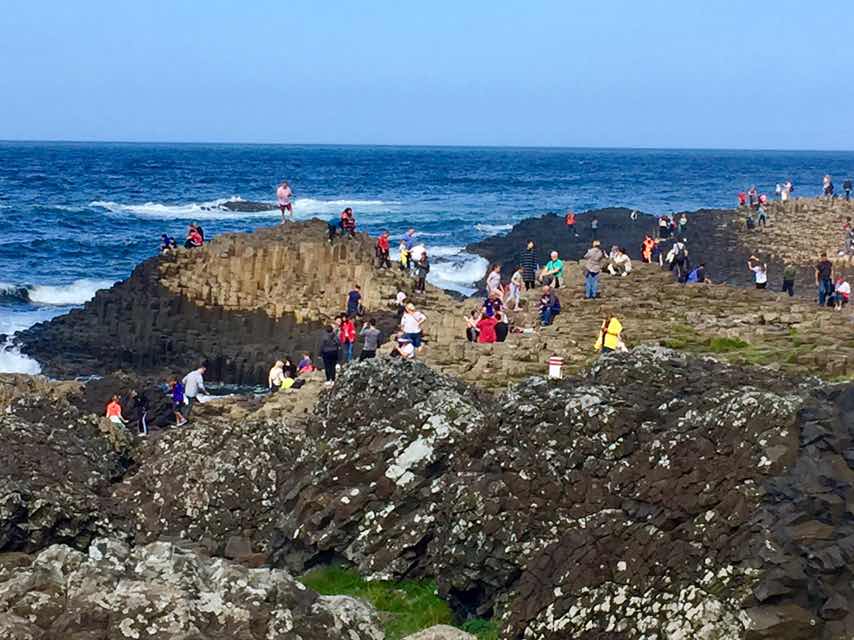


The Rick formations were covered with hundreds of tourists :(
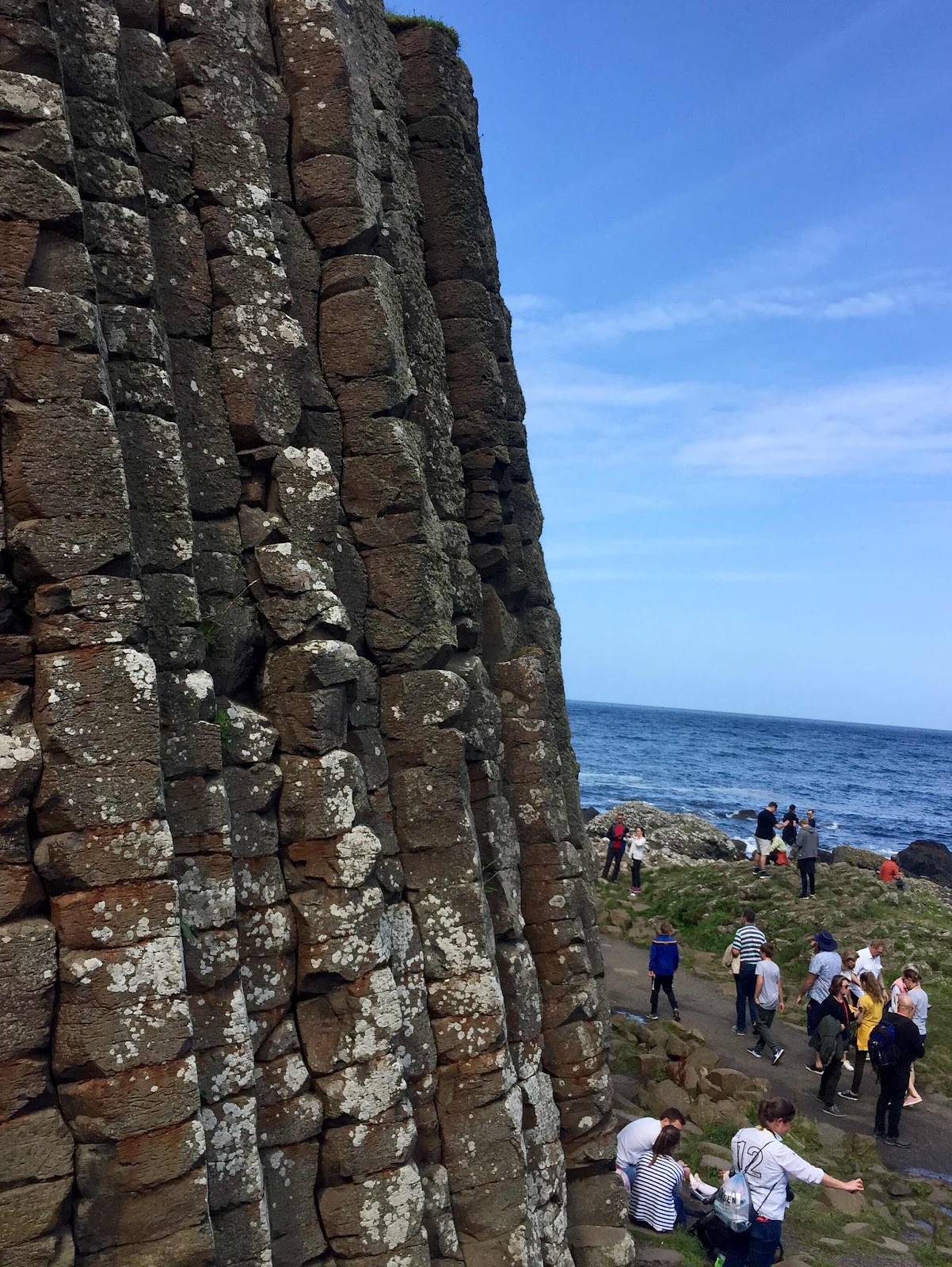


Interesting rock formations 
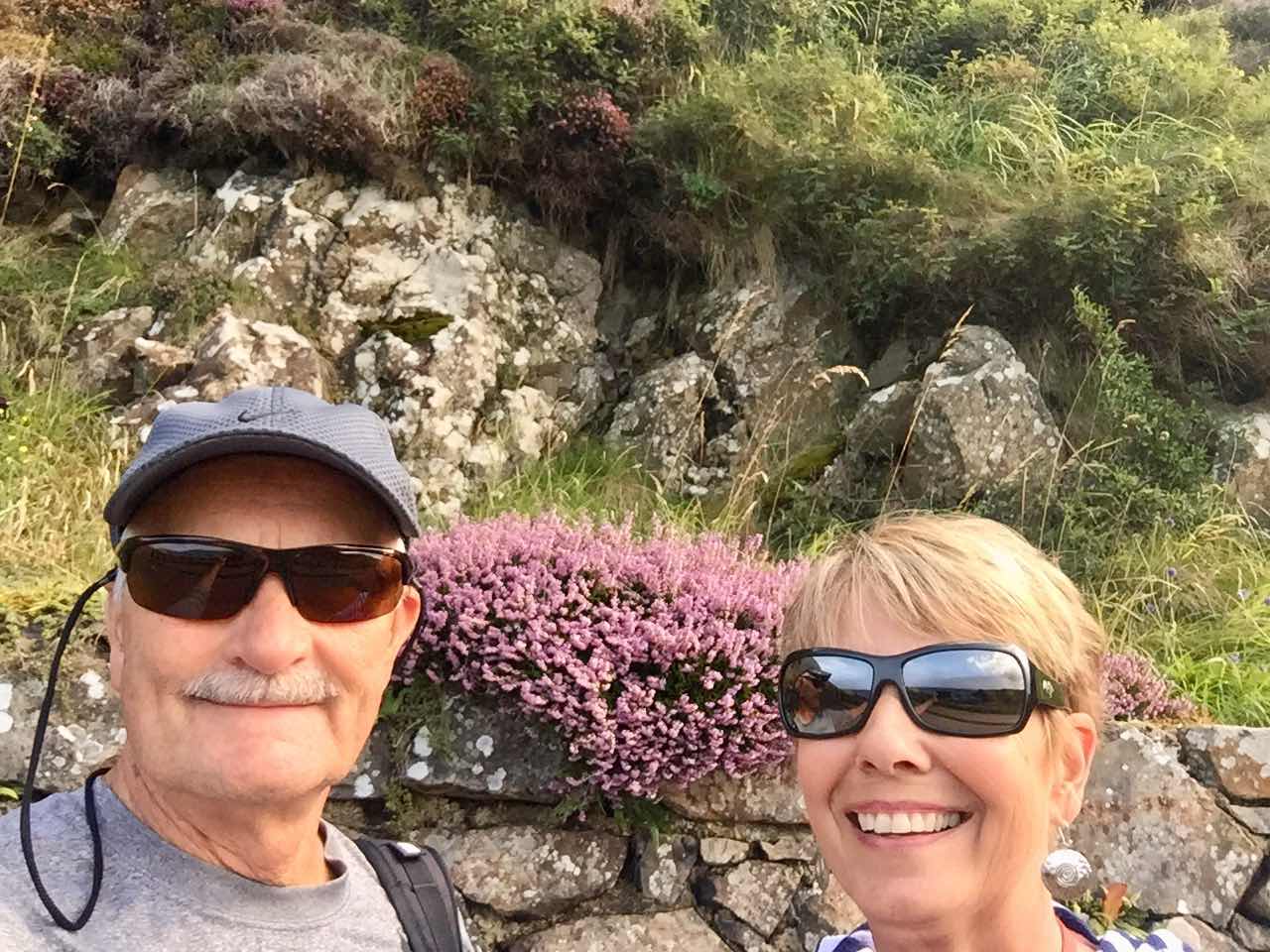


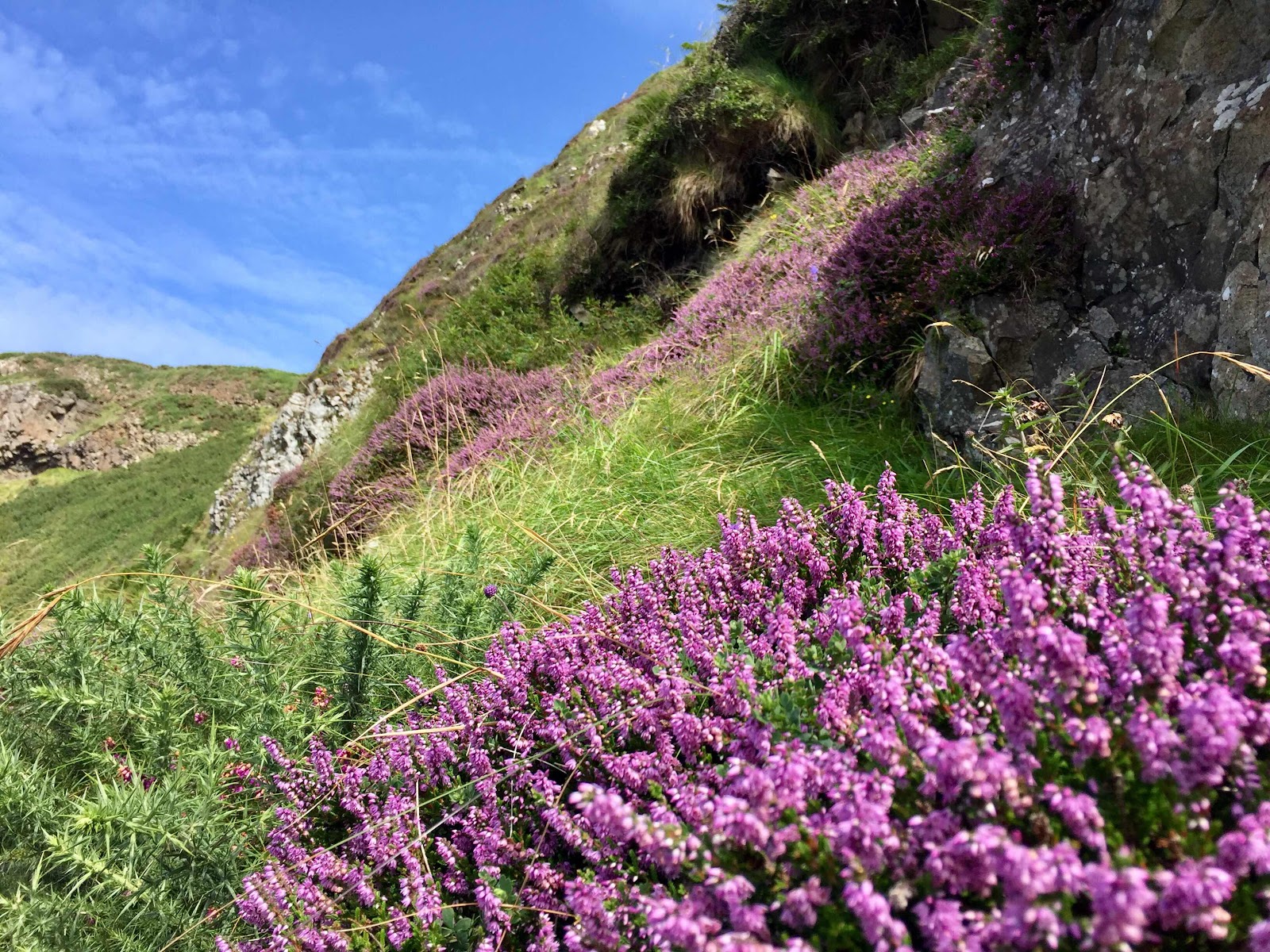
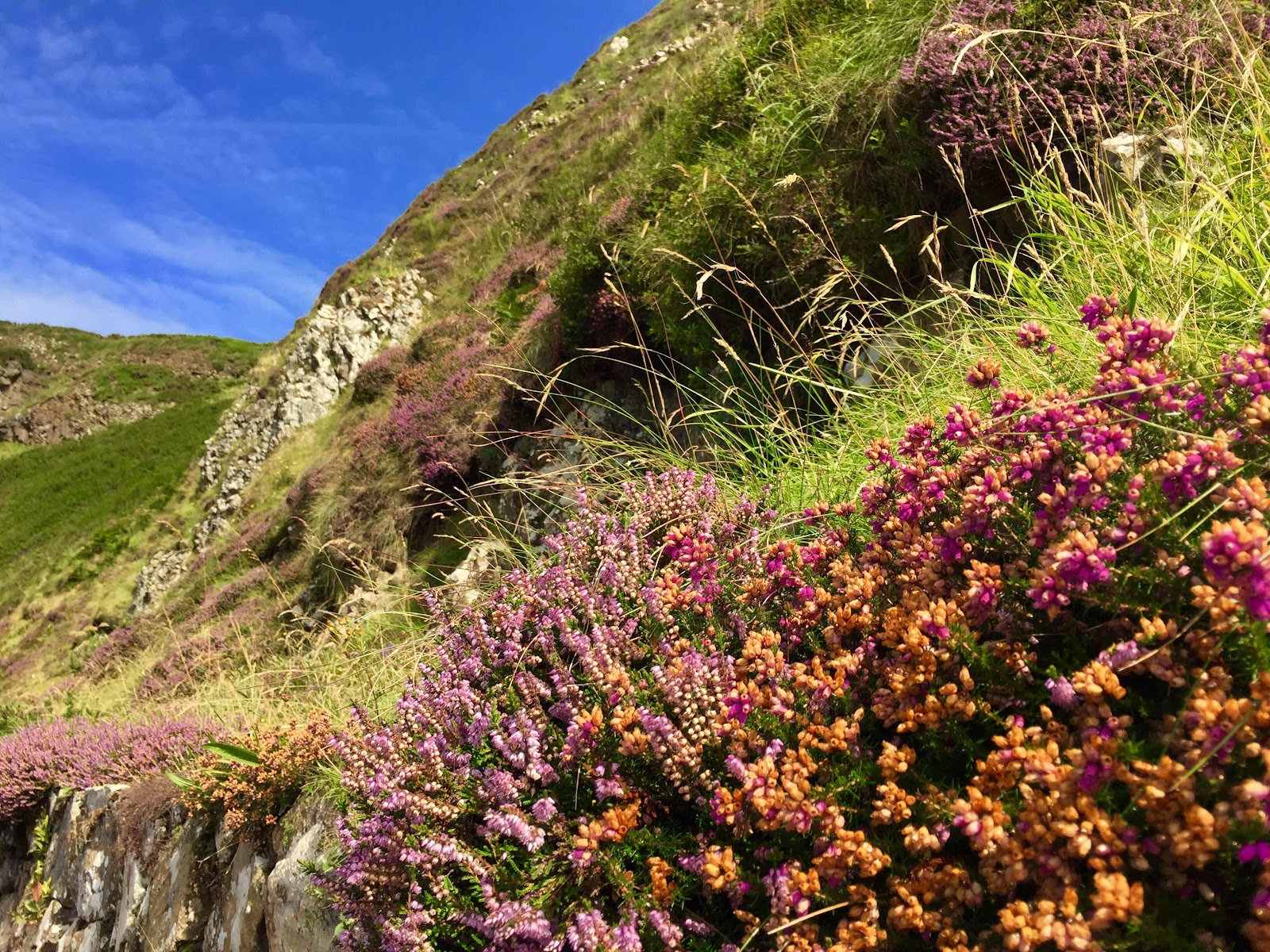
We found beautiful clumps of heather growing along the walkway..


Partly Cloudy Dear Dublin!

Into port we glided smoothly around 8 am.  One of the great things about a window or balcony is that you have the option of parting those heavy curtains and letting the oceanside fill your room with magic, wonder, and a new view around every turn.  We stay late in Dublin, Northern Ireland.  Our tour guides in the Irish Republic always wanted to be truthful about their neighbors and relatives to the north.  My feeling is that forever they will want peace and a soft border.  They don’t wasn’t to lose lives over beliefs both religious and political.  

Dublin is the capital and most populated city of Ireland. Originally it was named Baile Arja meaning town of the hurdled ford in Gaelic. It was originally founded as a Viking settlement in the 9th century. One of the sites visitors like to take inis to view the Book is Kells which was written around 800 AD.  It had been on display in the Old Lubrary at Trinity College since the mid 19th century. The book is separately bound into four volumes of which two are viewable to the public. 

Dublin Castle is also a must see for many visitors. It was founded as a major defensive work following the Norman invasion of 1169.  There are also plenty of beautiful use catching parks to be found well within the city limits. 

We had a full day planned here with another tour arranged by Charlene from California.   The tour company is Day Tours Unplugged.  Our driver was a very educated fellow with three older children that he spoke about.  His wife is getting her PhD in clinical psychology and he seemed like he could have been going down the same route with his unusual way of “guiding” us on this tour.  He had a strange way of asking more questions of us than providing information to us. 
Our first stop on this wet, chilly morning was The Newgrange Passage Tomb.  We were guaranteed entrance into this Unesco World Heritage Site. The monument site only allows 600 visitors a day and next year they will decrease the number by half!  The Newgrange tomb is a Stone Age passage tomb dating back to 3,200 years B.C.  and covers 249 feet in a circular fashion with a heavy massive stone foundation and earthen mound. It is an ancient monument in the Boyne Valley. It is one of those places that will stir emotions within you when you experience it and create more questions than answers.  They say it is arguably one of the finest monuments of European pre-history.  It was built during the Neolithic or New Stone Age by a wealthy farming community that prospered in the rich lands of this valley. It predates the ancient pryamids by 400 years and Stonehenge by 1000. The cremates remains of the dead were laid on large stone basins inside the chamber which typically were accompanied by grave goods.  Five cremations were found in the tomb. In 1699 the entrance to the tomb was found by accident.  Carbon dating shows that most individuals lived only till 35 years of age.  Many suffered from osteoporosis and dental problems. The Battle of Boyne occurred in 1690 and the English took over.  One of the positives of the British occupation was that they built roads and were good road builders!  The original occupants lost their lands and the English began taking stones from the mounds for the roads which is how the entrance was discovered. 

1967 the government came in to excavate the areas around the mounds and reconstructed them using original stone.   Base stones are the original but the base level was covered with metal to help preserve them and several of the highly decorated stones.   60% of Europe’s Neolithic art is found here!!  

Interpreting the stone carvings is difficult as there is no standard reference to draw from but some suggestions include possibly being a map with the original graves, symbolic of a river, etc.  

Your tour is fully guided and each guide is careful to prepare you for the narrow tight descent into the chamber.  At dawn on the winter solstice, the shortest day of the year (December 21st) a shaft of sunlight enters the chamber through a specially designed opening over the doorway which for a brief amount of time illuminated the chamber.   Not much is really known about the people or their rituals.  The stones that are supporting the mounded structure are huge!  Several are highly decorated and carved.   We wondered how these Neolithic humans knew about the shortest day of the year; what if that day was cloudy? and how did the construct something so exacting forcthe sunlight to enterst this angle?  The huge mounded structure must have taken decades to construct let along plot out and come up with such precise plans. 

 We were here approximately 90 minutes. Our groups were no larger than 12 people with guides who were Failte approved through the country.  The visitor center was not available to us as it is being remodeled but the walkway to the mound crossed a fast flowing river and the grounds were beautiful. 
 Cemetery was really center of a town 

Cross was in the town. High Cross is an aide to shaping the people.  Christian circle

Four holes   ? Seasons. Many thoughts on what the symbols mean. Maybe the circle of life?

Holds the arms up?

Words were testimony to Murdock an Abbott. a wealthy man.  Universities were here.  Great communities places of peace

Maybe the of crucifixion of  Christ


Serpent evil? Or shedding of skin new birth?


This cemetery has changed in elevation  

Cemetery has graves planted with heads to east feet to west


New Grange faces east

Oldest burial is 10th century


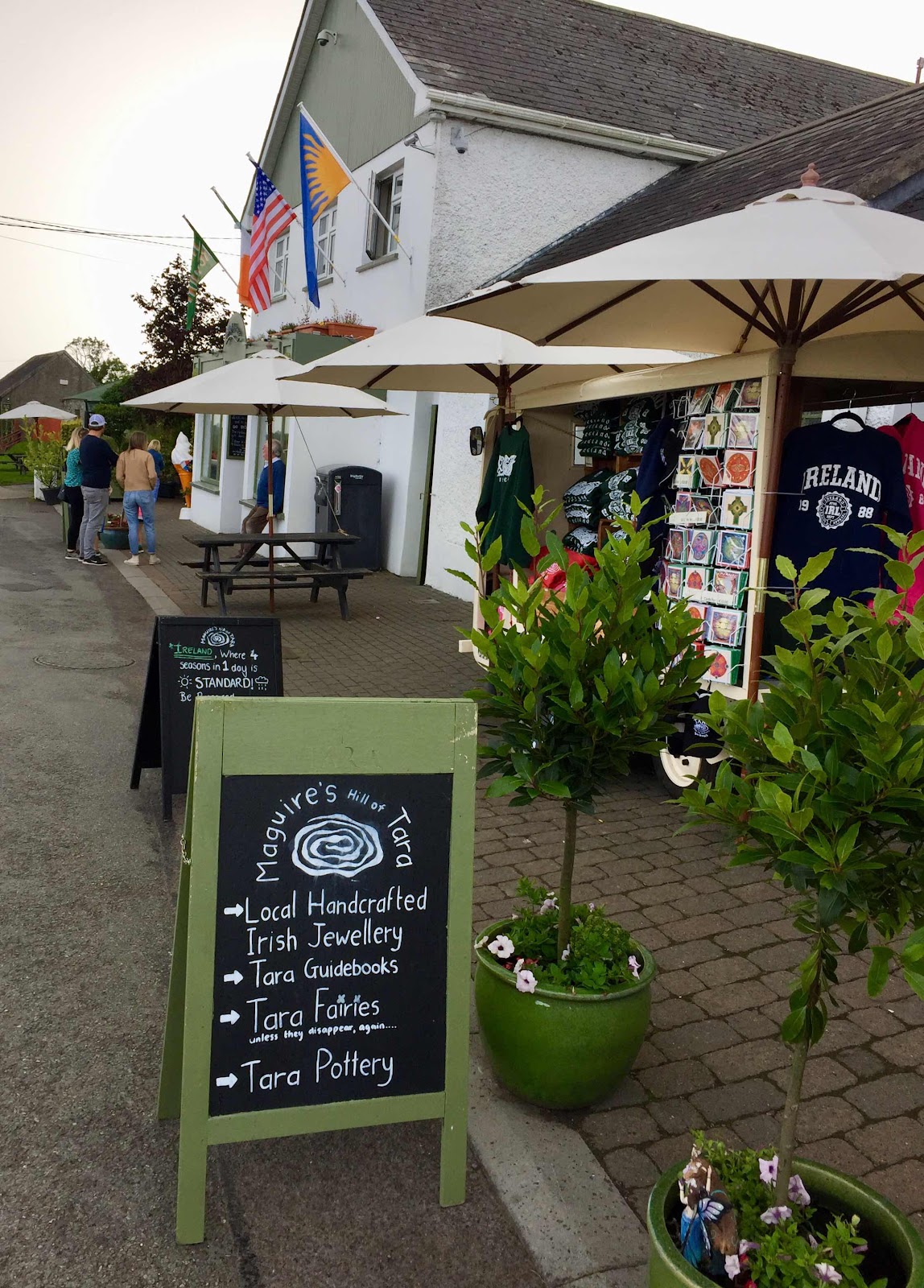
Our next stop was Hill of Tara.  This stop was a little more confusing for us as our guide told us little about it on the way there.  I think he wanted to “accompany” us through the various markets but the weather was pushing black heavy clouds our way and several of us opted to do a self guided tour and avoid another downpour while in the fields.  

Royalty occupied the Hill of Tara for well over 2000 years.  In this cultural and political heart of Ireland they celebrated a great “Feis” or fair, festival: at this celebration they discussed and revised laws and rules of the land.  This location was an ideal spot to build a palace and in time five ancient roads of Ireland converged here.   The surrounding countryside is considered to be one of the richest pasture lands in the whole of England. 

Another aspect of this area is the Hill of Slane.  St Patrick has become synonymous with things Irish from shamrocks to the shortage of snakes on this island.  Saint Patrick came to convert Ireland’s Celtic pagans.  He did this with great symbolic flare. As the Druids celebrated their feast day on the Hill of Tara Patrick preparedthe Easter feast on the Hill of Slane.  He lit his paschal fire at Slane before the Druids could kindle their sacred fire at Tara.  Seeing the flames at Slane the Druids warned their high King that if Patrick’s fire was not put out immediately it would burn forever in Ireland.   The rest as they say is history.  We couldn’t understand all that there is to know about the significance of this community other than it was very old, preserved as best as could be and designated significant importance in Irish history and culture. 
 
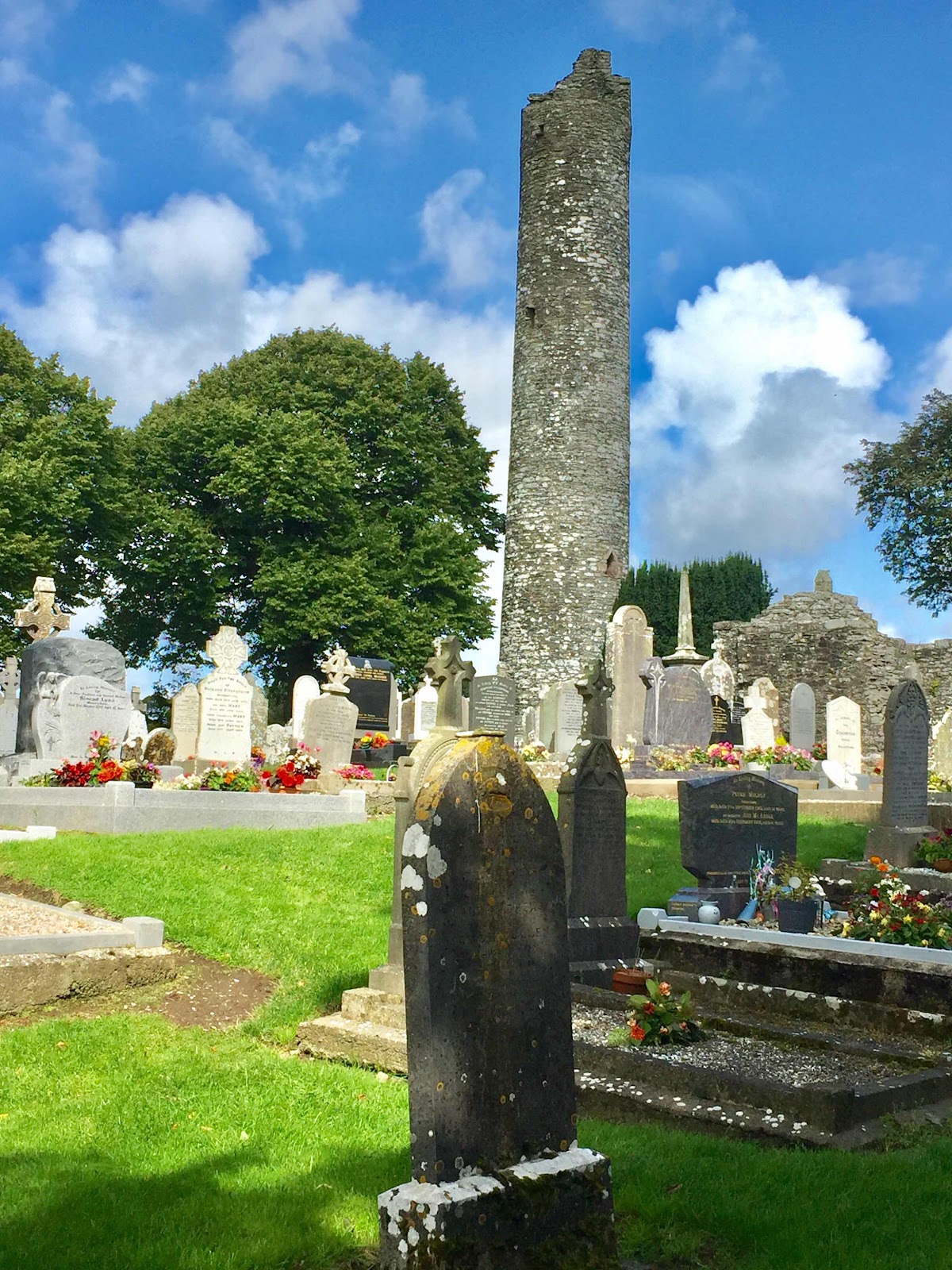
We passed several stone towers. Our guide mentioned that they were not built by the Irish and that they were not lived in or used for protection. Another theory is that they held important documents or items that were to be protected.   Towers were built in 10th century. The door is up 15 ft up high so wasn’t accessed regularly.   

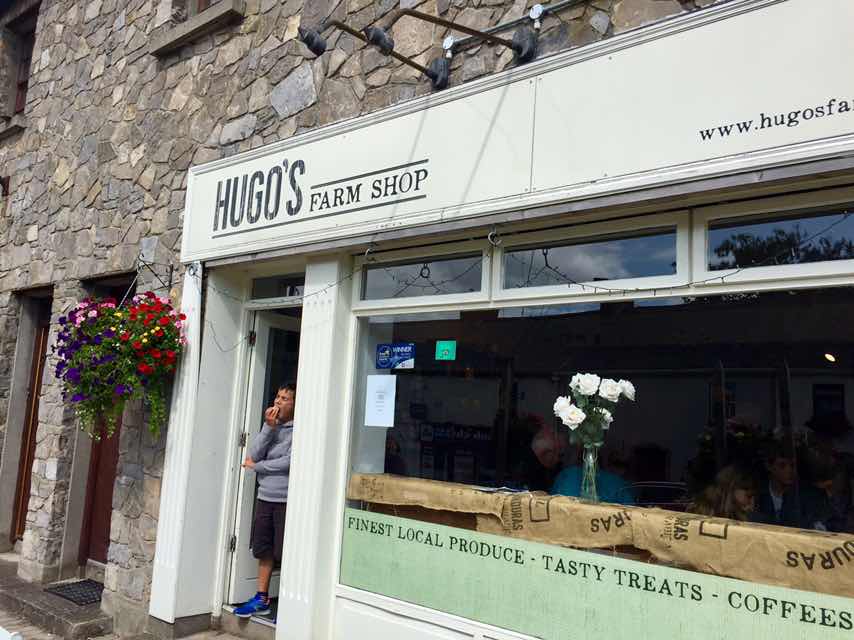
Our driver took us to a quaint restaurant which served great homemade soups and sandwiches and we enjoyed a break talking with locals and filling our stomachs with fresh delicious bites.  

Our last stop was Monasterboice one of Ireland’s High Crosses.  This is one of Irelands best known and earliest religious sites.  We enjoyed the guided walking tour with our driver amongst the remains of two churches, Round Tower, three High Crosses and a pre Gothic sundial. Founded in the 5th century by St. Buite, the monsastery became a renowned seat of learning and art.   The cemetery was really the center of a town.  Th Cross was in the middle of the town. town. The purpose of the High Cross is to serve as an aide to shaping the people.  The Christian circle could have been symbolic of many things...Four holes could be the four seasons? Many thoughts on what the symbols mean. Maybe the circle of life?

Words were testimony to Murdock an Abbott and a wealthy man.  Universities were housed here.  Great communities were places of peace

Maybe the of crucifixion of  Christ is portrayed on the High Crosses as there is symbolic references in the carvings. 

Was the Serpent evil or shedding of skin to represent new birth? The Cemetery has graves placed with heads facing to east and feet to west .  New Grange faces east and the oldest burial marker is from the 10th century.  

The most impressive cross is The Cross of Muiredach standing a massive 17ft 8 inches.  The cross clearly depicts scenes from the Bible carved in Stone over one thousand years ago.  The cemetery and scenery drew reverence from me and many others.  The feeling you experience is peaceful yet historically terrifying when you think of the battles people went through to keep their beliefs along with sickness and disease.   

Our guide, Damian O’Reilly, has us back to the port with plenty of time to enjoy a bit of time at the port.  Most of our ports havefre internet available which is a life saver for the crew who spend up to 9 months away from their homes and families.  Most also have souvenirs and some necessities which adds to mingling with the locals and possibly picking up something that catches your eye and opens your wallet!!  


Heading to the tomb passage 


All the base foundation stones are original!


The view from the mound. 


Here is the passage entrance.  No photos are allowed inside 


Sheep are plentiful in Ireland and speckle the landscapes which are lush and emerald in color. 


The huge mound! 


So much rainfall has swollen the rivers that we pass over to get to the mound .


The cemetery, the center of this old town, and a tower here along with several High Crosses 


Intricate carvings. People used to hug the Crosses hoping for a blessing but they are no longer allowed and have taken a toll on the Crosses over time slowly destroying their carvings. 


Hugo’s was our little lunch stop !!  


The towns are small, friendly and colorful. 


Church of Tara


Old, historic and well preserved


High Cross on Hill of Tara 


Sunday, September 1, 2019

When in Ireland!!...
 Another sea day before we get to Cobh (Cove) and Cork which helped all the newcomers get some rest before discovering Ireland.  Typically a few days before we arrive at a new port staff have provided passengers with information about the area.  They are always different depending on what cruise line you are on and who the presenter is.  Most of our port talks have been by Jessica and everyone agrees her talks are well worth listening to.  We enjoyed a leisure day reading and going to the gym for some exercise. Ireland requires a face to face inspection for their immigration officials so we took our passports down to a designated room where they inspected us before we were able to get off in Cobh.  

We got together with a few Arizona folks for happy hour at the Ocean Bar and by 5:30 we were up on the Lido having supper and enjoying discussions about our upcoming port.
Some of the interesting information we learned is as follows: 

Cobh is the 2nd largest natural harbor in the world with Sydney being first.  Cobh is comprised of Five small islands and is also home to a Naval base.  Some of the biggest pharmaceutical companies in the world have their headquarters here including the one that makes viagra!  Apple computers are here also having some form of headquarters.

Blue sky is not common in Ireland because they get a lot of rain and grey days.  They say the sky is typically more grey and brown than blue.  There are many castle in Ireland.   They used to have cars manufactured in Ireland but no more.  Henry Fords father was from Cork.  All cars are expensive here because they are all imported.  Most folks have small cars because you pay taxes on the horsepower.  Gasoline is about $7.50 a gallon here.  They say Irish don’t honk their horns; they have a lot of patience and feel no need to honk. Ireland was always invaded by someone and they even fought among themselves.  They have had upwards to fifty kings and none could ever agree.  First they were invaded by the Vikings but we don’t have any relics much from that period because everything was built from wood.  After the the Vikings invaded then the Anglo Normans from Normandy came and they were the ones that built castles. The English ruled them for over 600 years and took their land.  The Irish had to pay rent to the British.   Gaelic was spoken by the Irish and the British punished them with death for speaking it over English. They also punished them for their Catholic ways.  The Irish Famine was a result of the English invasion.  

The Potatoe Blight killed their crops and over 1 million people died; over 300 million people migrated to Canada and the USA  because of the blight.  There have been many rebellions in Ireland but in 1922 they gained their independence.   Today there is Northern Ireland and the Republic of Ireland; there are 6 counties in each half.  Catholics and Protestants have fought among themselves for years but a cease fire has been in effect for 20 years and many hope to keep it with no more spilled blood.  

We docked on Sunday the 18th around 8 am with all aboard at 5:30.  We have a small private group tour here going first to the Blarney Castle and then Kinsale with Butlers Tours.  Our tour covers entrance fees.  The Euro is the currency for the Republic of Ireland where the pound is the currency for Northern Ireland.  

We have a nice full size bus and our driver has got to be the best tour guide we may have ever had!  He had the Irish brogue and a wee bit of humor thrown if along with good looks to boot!  Ha ha. He gave us lots of great information and even sang an Irish song for us.  He found us a great spot where we could choose which pub or restaurant to have lunch. Our tour lasted for around 8 hours.  We got to climb the 120 steps to the top of the castle were many “kissed the Blarney Stone”!  I thought I could but once I got up there I just couldn’t lay down and put my head under that stone! Ha ha. They say that kissing the stone endos the kisser with the gift of gab (great eloquence or skill at flattery). The world Blarney was introduced in the English language by Queen Elizabeth 1 and is described as pleasant talk, intended to deceive without offending.  The castle gardens include 60 acres.  Gardens include the Fern Garden, a deadly Poison Garden, a magical Rock Close garden with ancient Yew trees and Druidic stones.  The gardens are constantly changing and evolving through the seasons.  There are two souvenir shops, a cafe, restored stableyard, Blarney Lke, and woodland walks.  

The grounds were lovely and we had plenty of time to explore it before being gathered up to head to Kinsale.  Kinsale is a historic port and fishing town in County Cork which also has a significant military history.  It is on the coast new the Old Head of Kinsale and sits at the mouth of the River Brandon.  The population increases over the summer months when the tourist season is at its peak and the boating fraternity and other tourists arrive in numbers. 

The driver, Niall, calls our ship “ a liner”.

Castle  was erected in 1446 by the McCarty clan. Cork has half a million residents and takes its name from Corcaigh, the Gaelic word for “marshy”.  Things to see in Cork include St Fin Barre’s Cathedral built in the 19th century for the Anglican Church reputed to be where Fin Barre established a monastery in the 7th century.  St Anne’s Church and Shannon Bells Tower.  


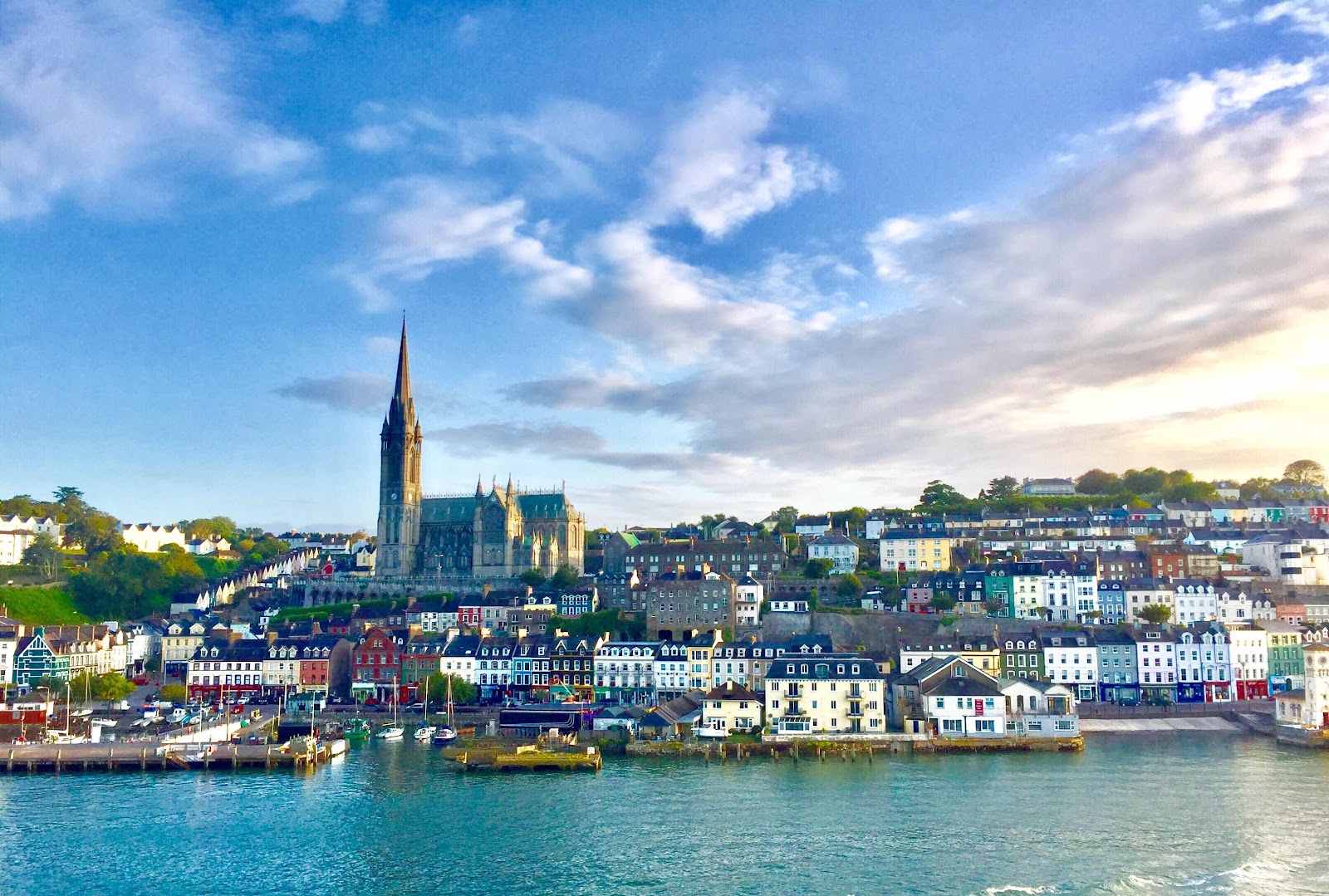
Coming into Cobh..


Entrance to the castle area 


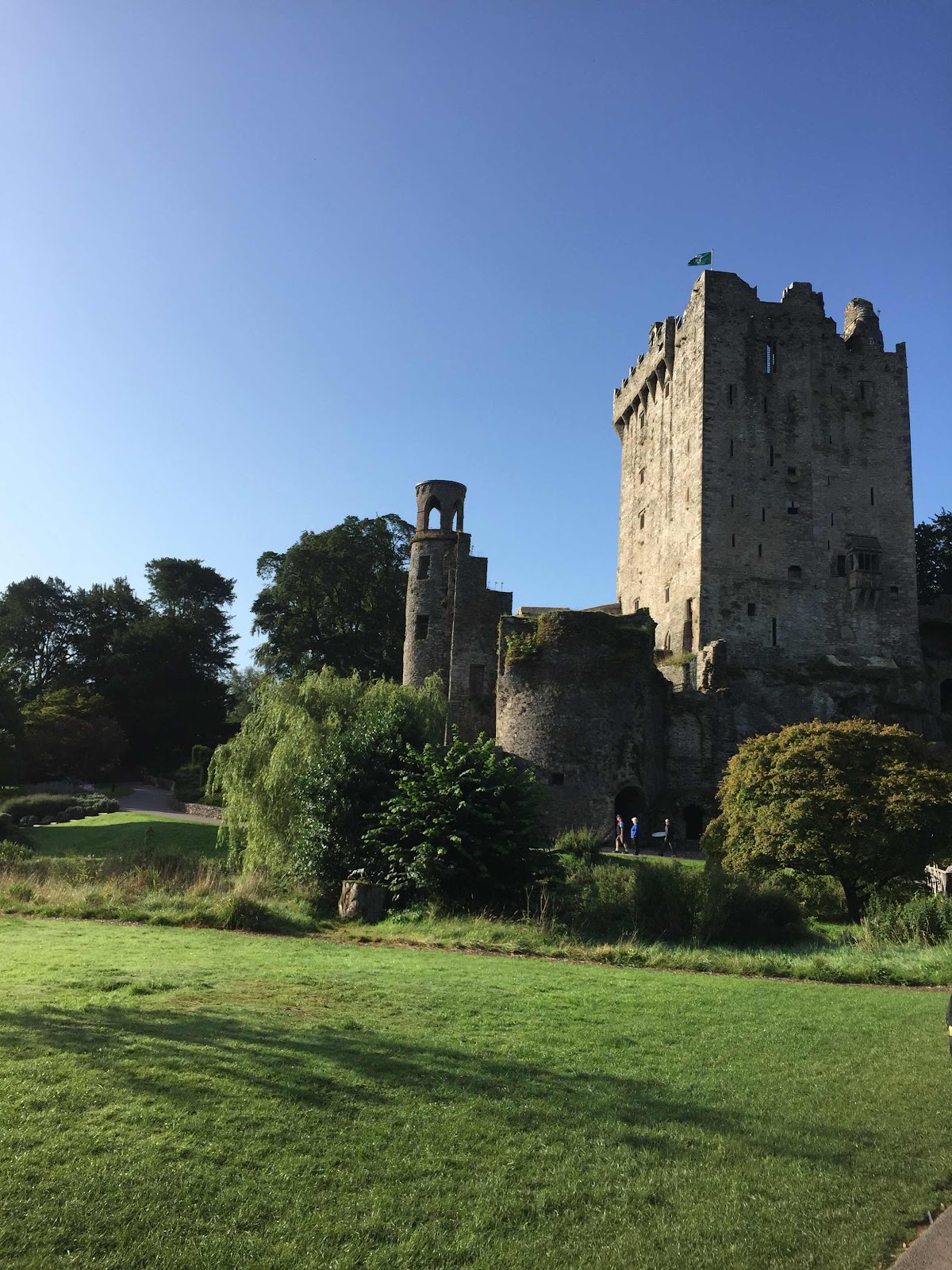
There she stands!


The stairway is single lane; you go up one way and down another; they say they always built stairs this way so that an army was at a disadvantage when trying to get to the top of the castle!


At the top of the castle where folks kiss the stone :)

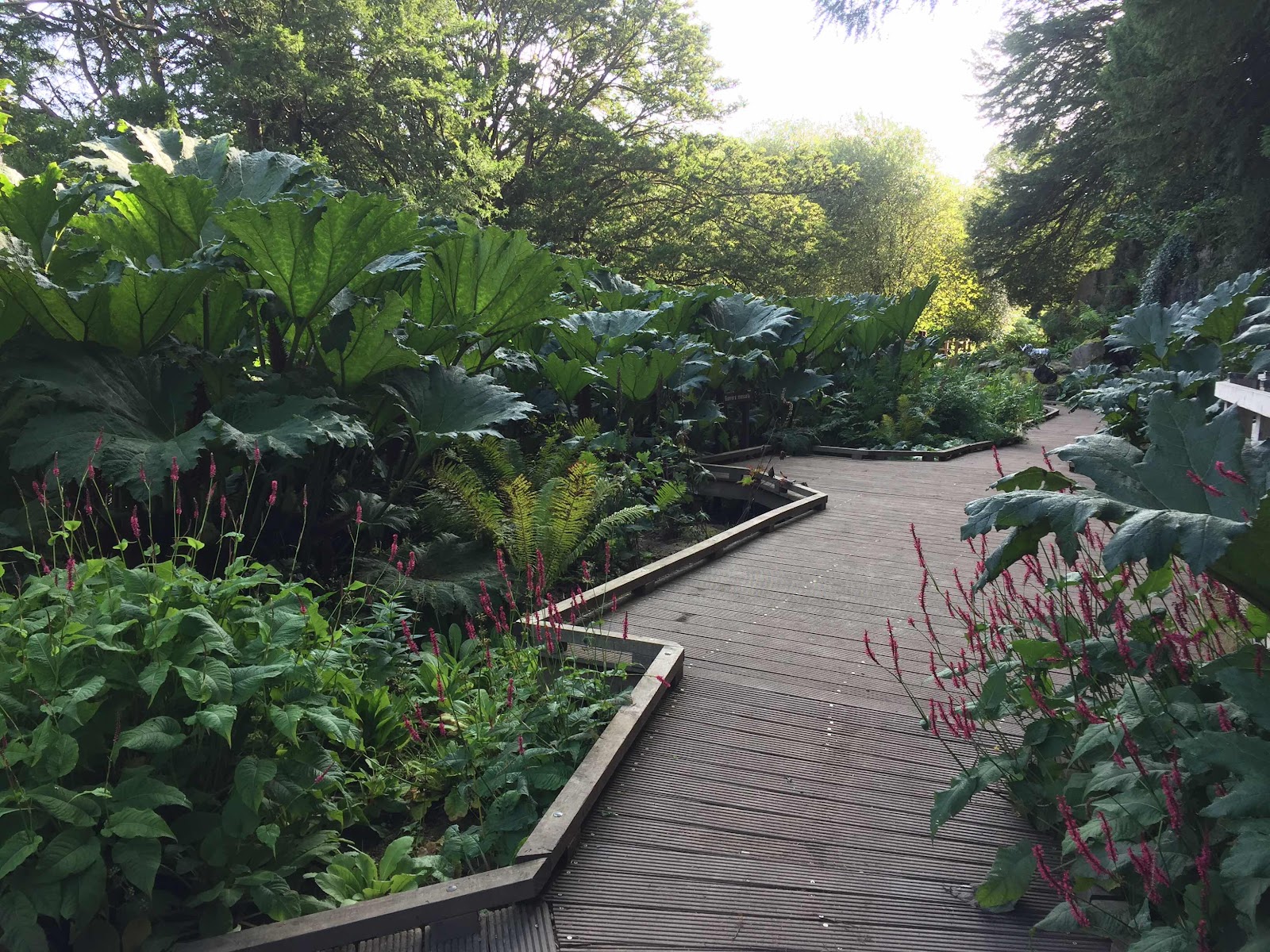
Lovely gardens and walkways
 

Fountains and ponds...all privately owned now.


There are also Woolen Mills here with beautiful sweaters, scarves, hats and mittens. 

Looking out toward Kinsale...


The old fort of Kinsale


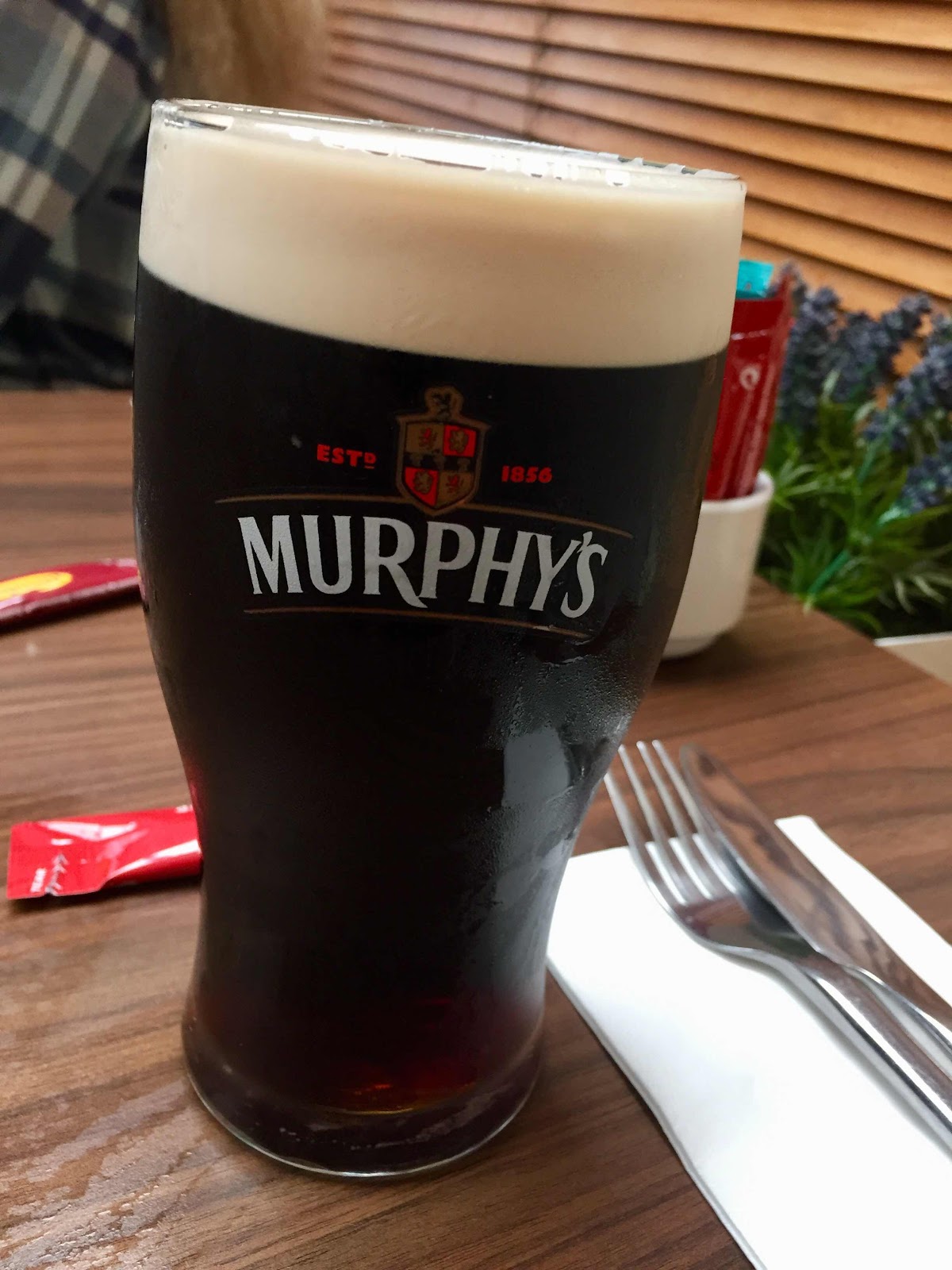
Trying the Murphy’s ale at Kitty O’Sheays pub!


Check out this burger we had for lunch!!


When in Ireland!


High Tea and Cricket Matches

Our port today is Bridgetown Barbados.  Dan says we have never been here so I guess I go with his memory which is much better than mine!  Fo...